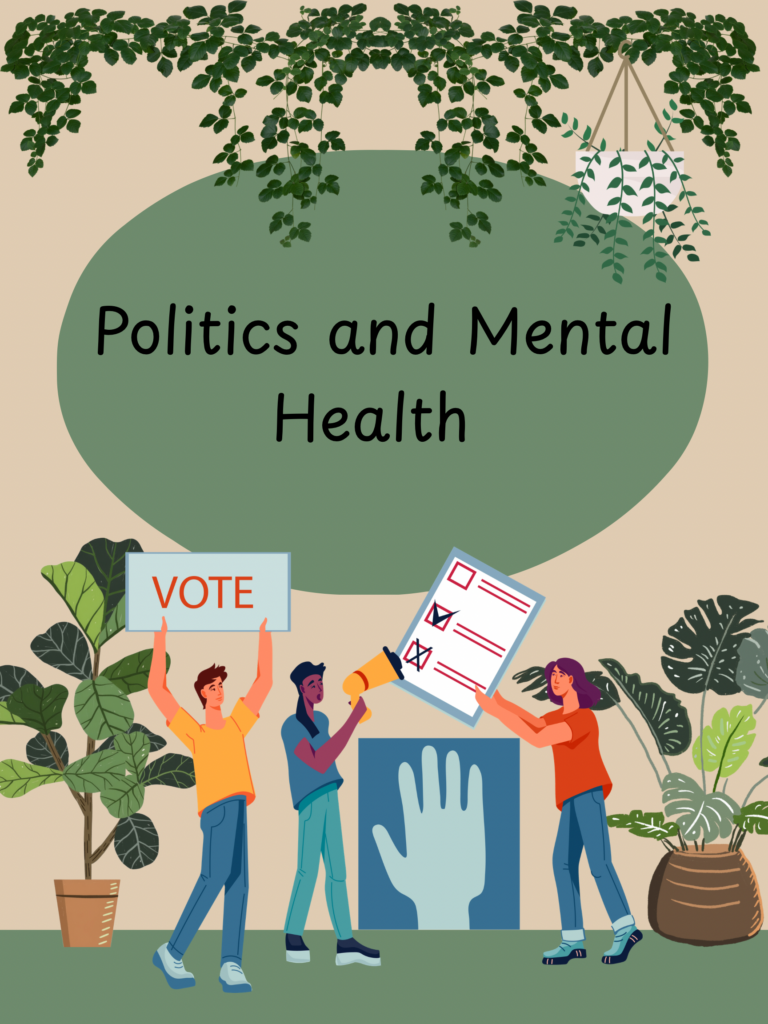
In today’s political climate, it’s increasingly common for individuals to encounter tension and disagreement, sometimes even with their own families. As political divisions grow and major events unfold daily, many people find themselves experiencing heightened levels of stress and anxiety. For many, this emotional toll is part of the cost of staying informed and engaged with current events.
Remaining knowledgeable about politics is deeply important, especially when political decisions have a direct impact on people’s lives. However, this raises an important question: how can we balance staying informed with protecting our mental health when the information we consume contributes to stress, anxiety, or depression?
Research suggests that higher levels of political engagement particularly frequent exposure to stressful news, are associated with increased negative emotions. These emotions are linked to poorer psychological and physical well-being. At the same time, these negative emotional responses can motivate greater political action, such as volunteering, activism, or protesting (Ford et al., 2023).
Interestingly, the same research shows that when individuals use emotional and cognitive regulation strategies, such as cognitive reappraisal or purposeful distraction, they tend to experience improved emotional well-being. However, these strategies are also associated with a reduced desire to engage in political action. This highlights an important trade-off: staying deeply engaged may increase stress but motivate action, while prioritizing emotional regulation may protect mental health but lessen political involvement.
The Mental Health Impact of Political Stress
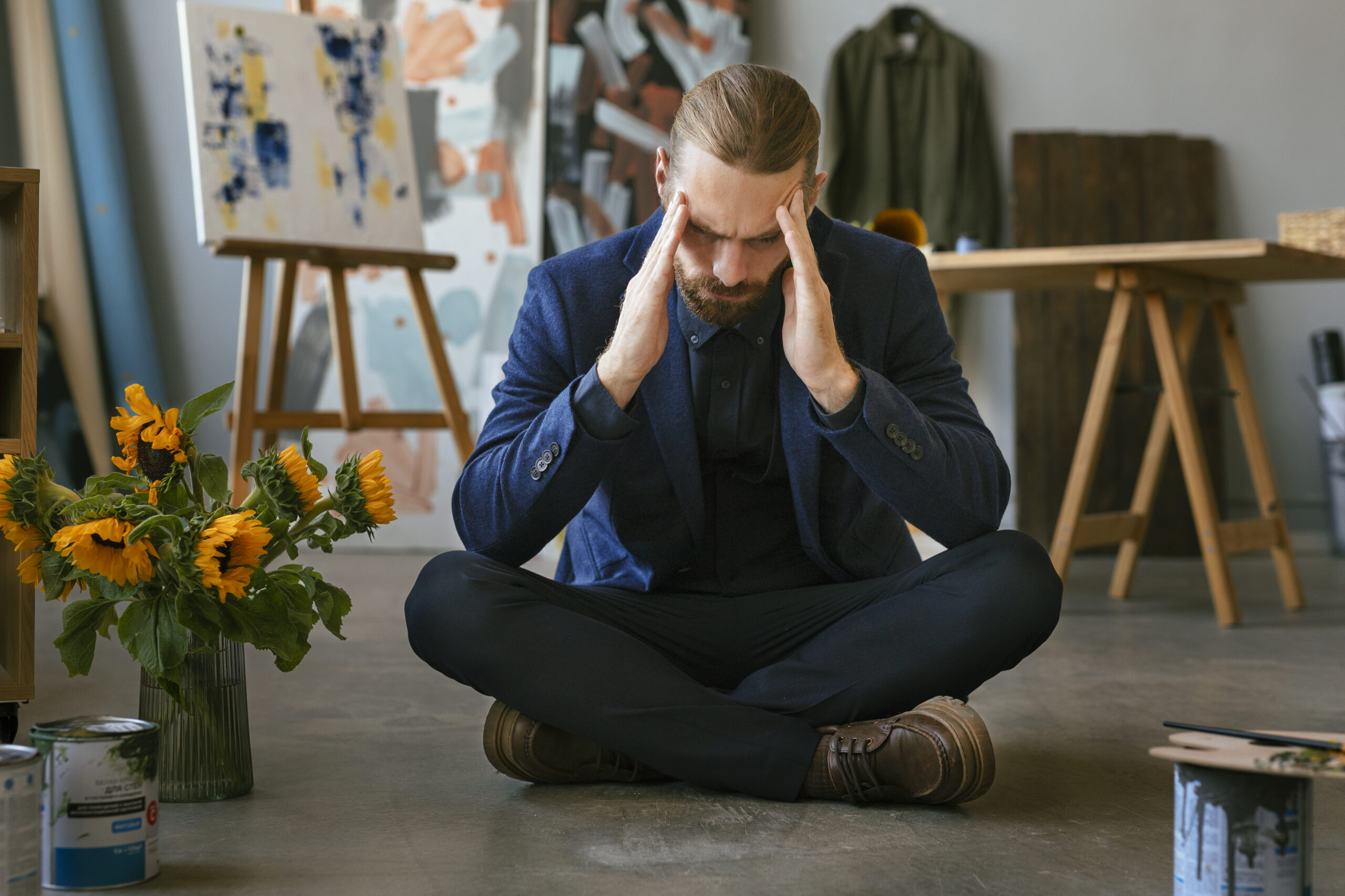
While staying informed about government and political issues is undeniably important, it is equally crucial to be mindful of personal limits. Protecting mental health means intentionally managing exposure to stressors, engaging in regular self-care, and recognizing when political content becomes overwhelming.
Without these safeguards, chronic stress can contribute to mental health concerns such as anxiety, depression, suicidal ideation, insomnia, and feelings of hopelessness. Physical symptoms including headaches and increased heart rate, may also emerge.
Finding a Healthy Balance Between Awareness and Well Being

Ultimately, staying informed does not have to come at the expense of well-being. Finding a sustainable balance between awareness and self-protection is key to maintaining both mental health and meaningful civic engagement.
Practicing intentional self-care can reduce emotional strain while allowing you to remain engaged in a healthy way. Consider these following strategies:
Set limits on news intake by checking updates at designated times rather than continuously.
Balance political content with enjoyable or relaxing activities.
Use emotional regulation tools such as mindfulness, grounding, or reframing negative thoughts.
Prioritize basic self-care including sleep, movement, and proper nutrition.
Know when to step back if political stress begins to impact your well-being.
Finding a balance between awareness and self-protection supports both mental health and sustainable civic engagement.
Reference
Ford, B. Q., Feinberg, M., Lassetter, B., Thai, S., & Gatchpazian, A. (2023). The political is personal: The costs of daily politics. Journal of Personality and Social Psychology, 125(1), 1–28. https://doi-org.library.capella.edu/10.1037/pspa0000335