
As the seasons change, so do our moods. While many people welcome the shift from summer to fall and winter with excitement, others experience a significant decline in their emotional well-being. Seasonal Affective Disorder (SAD) is a type of depression that occurs during specific times of the year, most commonly in the late fall and winter months when daylight hours are shorter.
What is Seasonal Affective Disorder (SAD)?
SAD is more than just the “winter blues.” It is a form of depression that impacts a person’s mood, energy levels, and overall mental health. Symptoms typically begin in the fall and continue throughout winter, subsiding in the spring and summer. In some cases, individuals may experience a less common form of SAD that occurs in the summer months.
Common Symptoms of SAD
If you are struggling with SAD, you may experience:
- Persistent feelings of sadness or depression
- Low energy and fatigue
- Difficulty concentrating
- Increased sleep but still feeling tired
- Changes in appetite, particularly cravings for carbohydrates
- Weight gain
- Social withdrawal or isolation
- Loss of interest in activities once enjoyed
What Causes SAD?

While the exact cause of SAD isn’t fully understood, researchers believe that several factors contribute to its development:
- Reduced Sunlight Exposure – Shorter days and longer nights can disrupt the body’s internal clock (circadian rhythm), leading to feelings of depression.
- Serotonin Imbalance – Decreased sunlight may cause a drop in serotonin levels, a neurotransmitter that affects mood regulation.
- Melatonin Levels – Seasonal changes can disrupt melatonin production, which affects sleep patterns and mood stability.
How to Manage and Minimize SAD Symptoms
The good news is that there are several ways to combat SAD and improve your mental well-being. Here are some effective strategies:
1. Light Therapy (Phototherapy)
Since lack of sunlight is a major trigger for SAD, light therapy can be highly effective. A light therapy box mimics natural sunlight and helps regulate your body’s melatonin and serotonin levels. Spending about 20–30 minutes each morning in front of a light box can significantly reduce symptoms.
2. Spend More Time Outdoors
Even when it’s cold, getting outside during daylight hours can be beneficial. Aim for a short walk in the morning or early afternoon to absorb natural sunlight.
3. Maintain a Healthy Diet
Eating a balanced diet with plenty of whole foods can help stabilize mood and energy levels. Omega-3 fatty acids, found in fish and flaxseeds, have been linked to improved mood. Reducing processed sugars and excessive carbohydrates can also prevent energy crashes.
4. Exercise Regularly
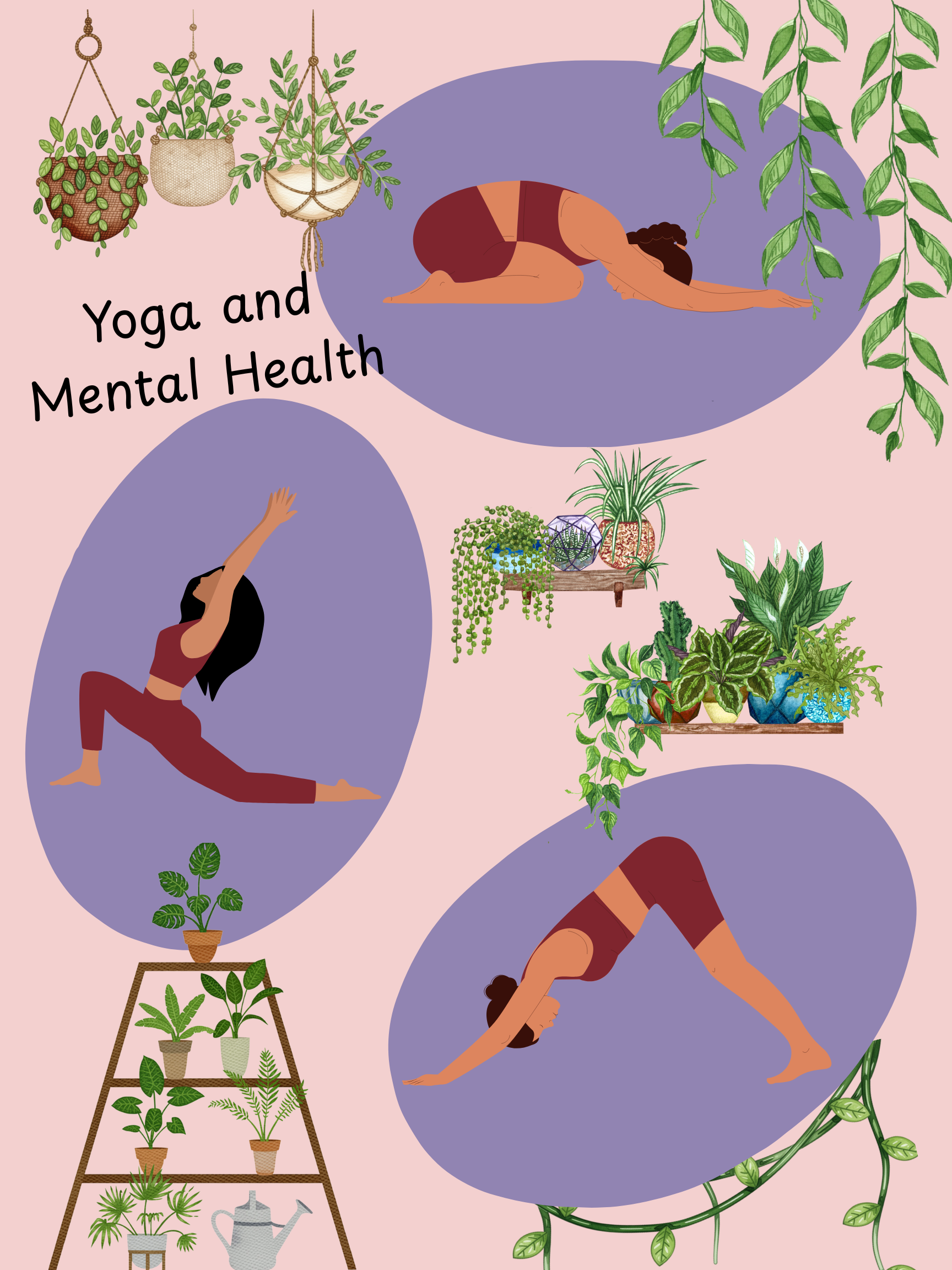
Physical activity is a natural mood booster. Exercise increases endorphins, reduces stress, and improves overall mental health. Aim for at least 30 minutes of moderate exercise, such as walking, yoga, or strength training, several times a week.
5. Prioritize Sleep Hygiene
Disruptions in sleep patterns can worsen SAD symptoms. Try to maintain a consistent sleep schedule, avoid excessive naps, and limit screen time before bed to improve sleep quality.
6. Stay Connected
Social isolation can worsen depressive symptoms. Make an effort to stay connected with family and friends, even if you don’t feel like it. Engaging in social activities, even virtually, can help lift your mood.
7. Seek Professional Support
If SAD symptoms are interfering with your daily life, consider speaking with a therapist or counselor. Cognitive-behavioral therapy (CBT) has been shown to be effective in treating SAD by helping individuals reframe negative thought patterns and develop healthier coping strategies.
Final Thoughts
Seasonal Affective Disorder can be challenging, but it doesn’t have to control your life. By understanding the symptoms and implementing practical strategies, you can reduce its impact and improve your overall well-being. If you or someone you know is struggling with SAD, don’t hesitate to seek professional support.
At First City Counseling, we’re here to help. Our team of mental health professionals offers compassionate support and effective treatment options tailored to your needs. Contact us today to schedule an appointment and take the first step toward feeling better.